Beauty isn’t about looking younger; it’s about looking like the best version of yourself, right now. As we move through life, our faces change, telling the story of our experiences. Yet, the beauty industry often tries to erase these stories rather than celebrate them.
When it comes to makeup for mature skin, the goal shouldn’t be to mask features or hide behind heavy layers. Instead, it’s about adaptation. The techniques that worked in your twenties might not serve you in your sixties, and that is perfectly okay. By adjusting your approach to suit your changing skin texture and eye shape, you can enhance your natural beauty rather than fighting against it.
Whether you are dealing with hooded lids, fine lines, or simply want to refresh your routine, this guide covers the essential tips and tricks to help your eyes shine.
Understanding Aging Eyes
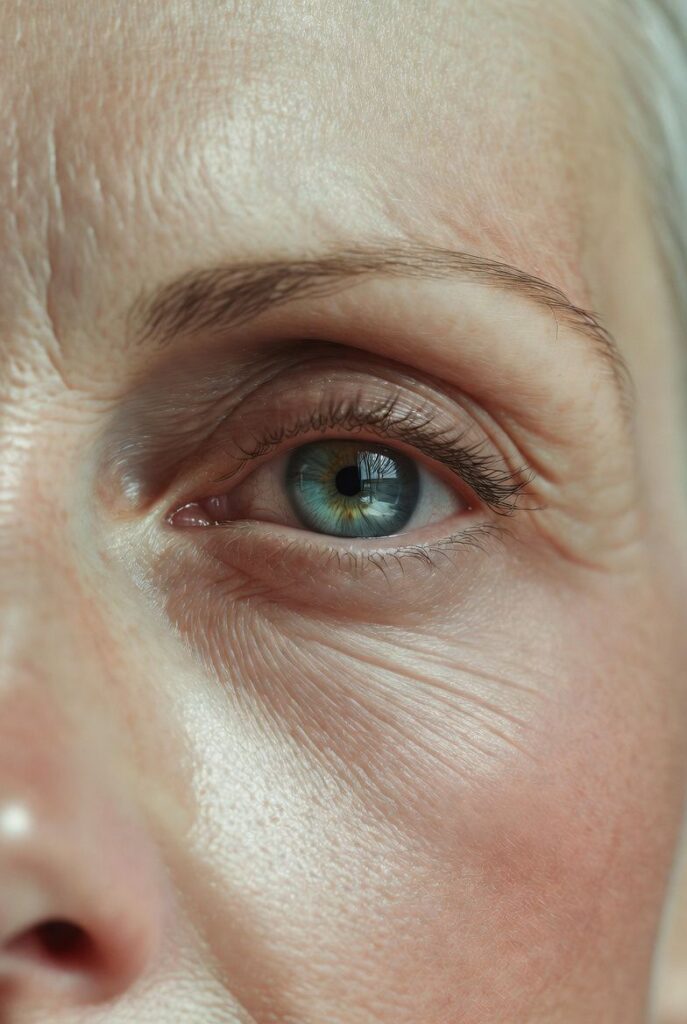
Before diving into products and techniques, it helps to understand the canvas you are working with. As we age, our skin produces less collagen and elastin, leading to thinner, more delicate skin around the eyes.
You might notice more texture, commonly referred to as “crepey” skin, or the development of fine lines and crow’s feet. Gravity also plays a role, often causing the eyelids to droop or become “hooded,” where the mobile lid is partially covered by the skin above it. Additionally, tear production can decrease, leading to dryness that makes makeup application trickier.
Recognizing these changes isn’t about negativity; it’s about strategy. Understanding that powder might settle into lines or that heavy liner might drag down a drooping lid allows you to make smarter choices that flatter your features.
Prepping the Eye Area for Mature Skin
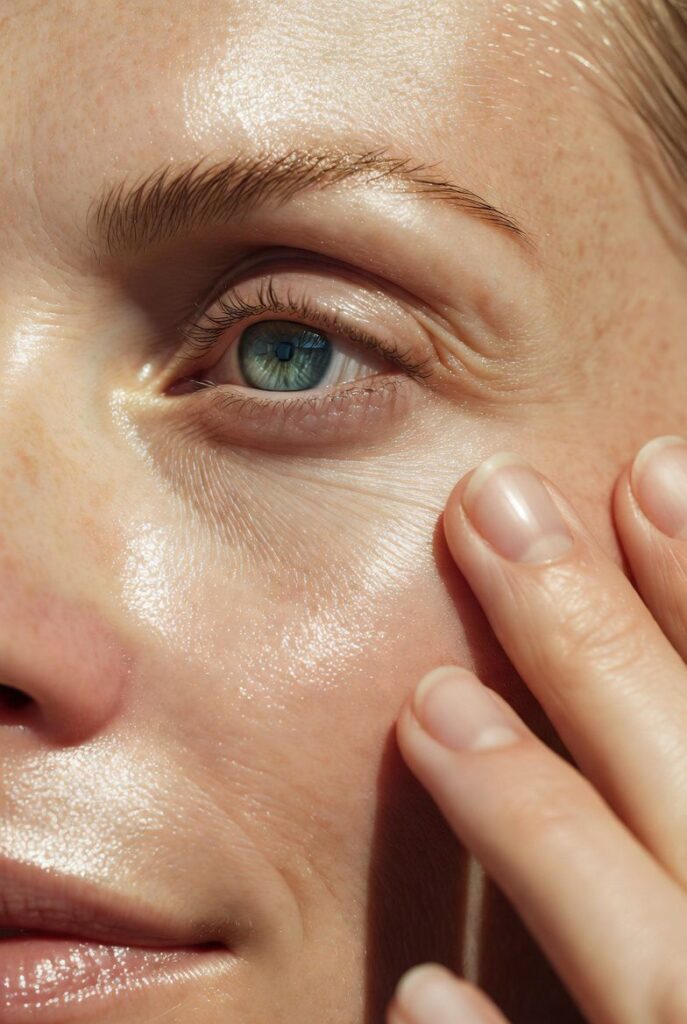
Great makeup always starts with great skincare, and this is doubly true for mature eyes. Because the skin here is thinner and drier, hydration is non-negotiable.
Start with a lightweight, hydrating eye cream. Look for ingredients like hyaluronic acid or ceramides that plump the skin without leaving a greasy residue. Give it a few minutes to fully absorb before moving on to makeup.
Next, do not skip the primer. A good eye primer acts like spackle for a wall—it smooths out texture and creates a barrier between your skin and the pigment. This prevents eyeshadow from settling into fine lines or fading halfway through the day. For mature lids, choose a primer with a slight tint to neutralize any discoloration or veins, creating a clean, bright base.
Best Eyeshadow Textures for Older Women
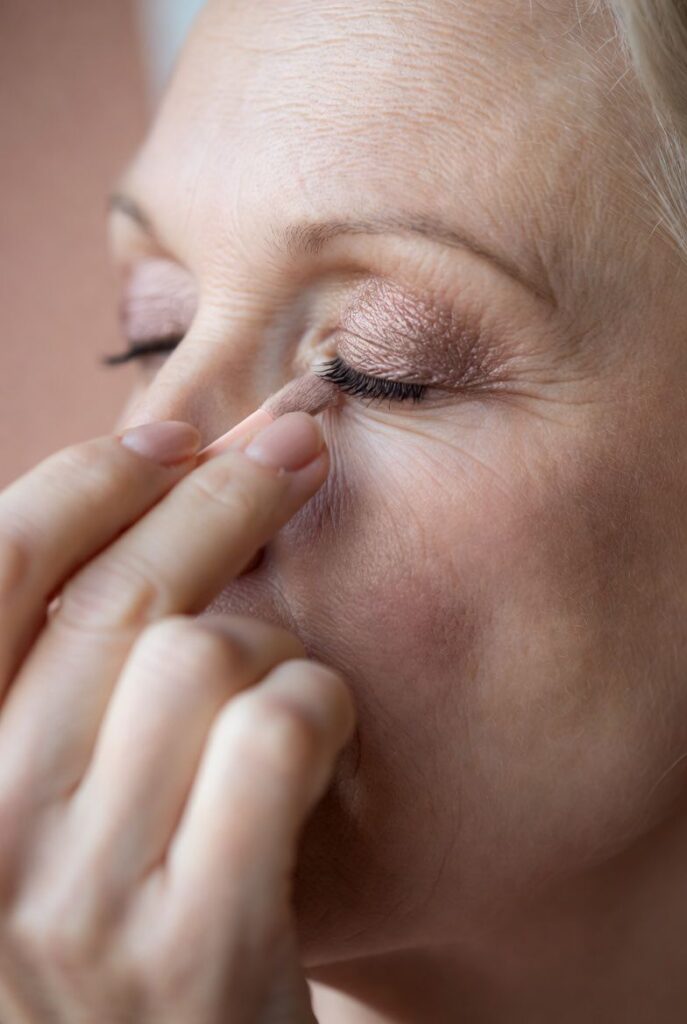
One of the biggest debates in mature makeup is cream versus powder. While high-quality powders can still work beautifully, cream eyeshadows are often the unsung heroes for older eyes.
Cream formulas are hydrating and tend to glide over texture rather than emphasizing it. They offer a forgiving application that blends seamlessly with a finger or a brush. If you prefer powder, opt for finely milled formulas that feel buttery to the touch.
Finish matters, too. There is a misconception that older women should stick strictly to matte shadows. In reality, dry, matte formulas can look flat and chalky on aging skin. Instead, look for satin or soft sheen finishes. These reflect light gently, giving the eyes a youthful glow without highlighting wrinkles the way a chunky glitter would.
Flattering Eyeshadow Colors for Mature Eyes
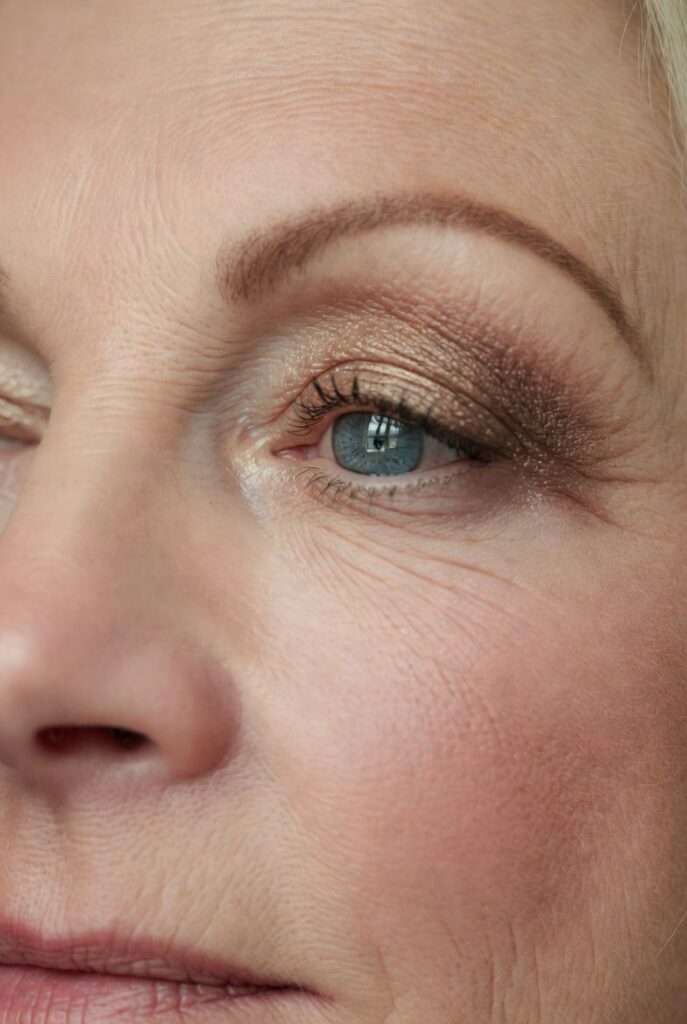
Color choice can drastically change how awake and lifted your eyes look. As we age, our skin tone can become cooler or more sallow, meaning we need to adjust our color palette.
Soft, neutral tones are universally flattering. Think warm taupes, soft browns, peaches, and champagnes. These shades add definition without looking harsh. If you want to incorporate color, muted jewel tones like navy, plum, or forest green can be stunning when used as a soft liner or in the outer corner.
Be cautious with colors that have strong red or purple undertones if you struggle with dark circles or redness around the eyes, as these can make you look tired. Similarly, stark black or bright white can sometimes be too harsh against softer, mature features.
Eyeshadow Application Techniques That Lift
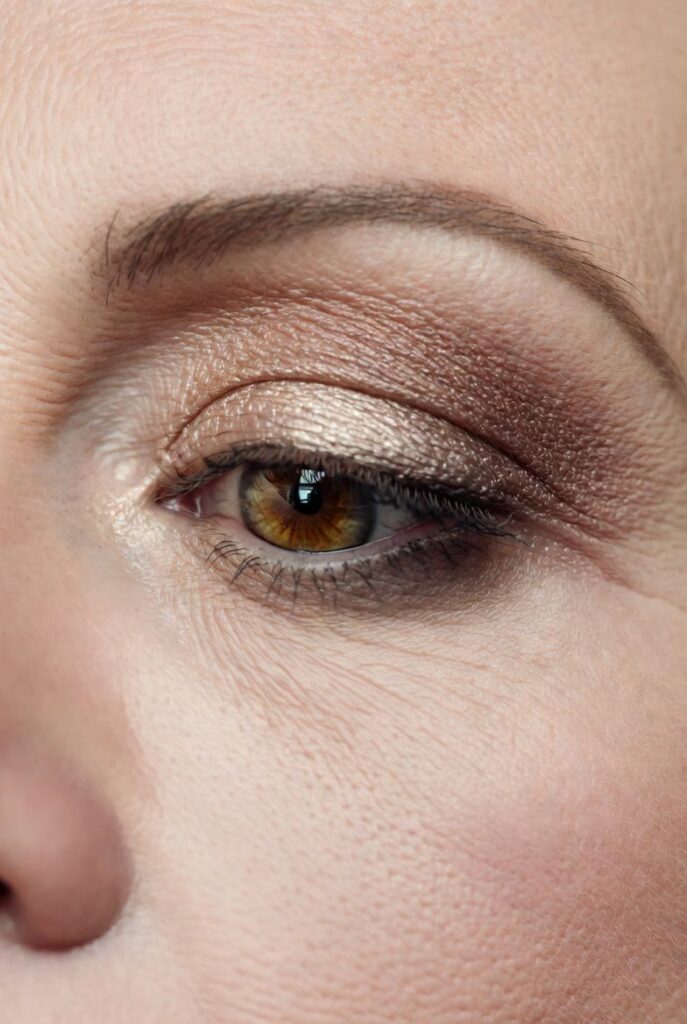
The placement of your shadow is just as important as the color. The ultimate goal for aging eyes is to create a “lift.”
To achieve this, apply your darker contour shade slightly higher than your natural crease. Because hooded lids can hide the natural crease, bringing the color up onto the hood helps the eyes look larger and more open when you are looking straight ahead.
Always blend upwards and outwards toward the tail of the brow. Avoid dragging color downwards at the outer corner, as this can visually pull the eye down. Soft blending is key—harsh lines can age the face, so take the time to diffuse the edges of your shadow for a seamless, elegant look.
Eyeliner Tips for Softer, Youthful Definition
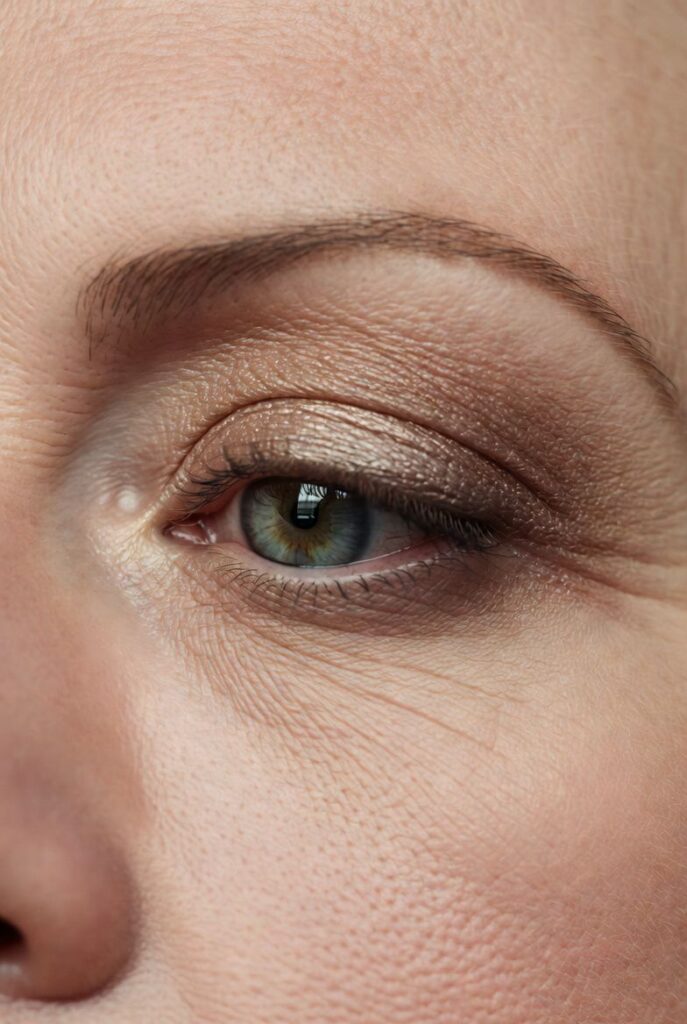
Eyeliner defines the lashes and frames the eye, but a thick, heavy black line can be unforgiving on mature lids.
Swap your liquid liner for a soft pencil or a gel pot liner. These formulas are easier to smudge, allowing you to create a softer definition that doesn’t look severe. Brown, charcoal, or navy liners are often more flattering alternatives to jet black.
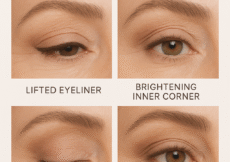
Try “tightlining”—applying pigment into the upper lash line rather than above it. This makes your lashes look thicker at the root without taking up valuable lid space. If you do apply liner to the lid, keep the line thin and flick it slightly upward at the outer corner to counteract any drooping.
Mascara & Lashes for Aging Eyes
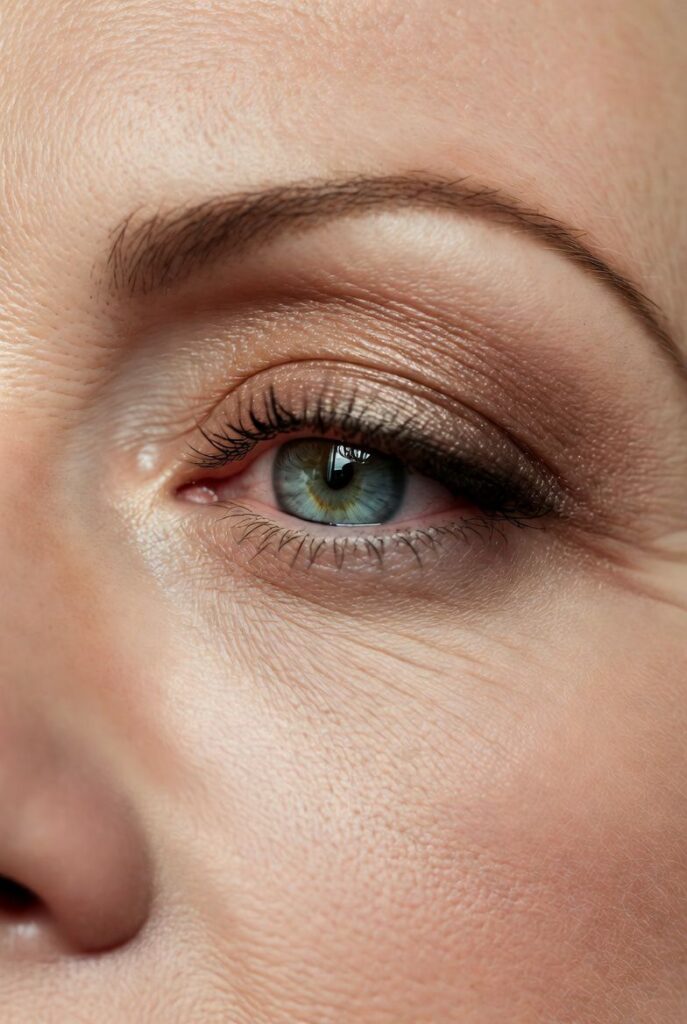
As we get older, our eyelashes tend to thin out and lose their pigment. Mascara is the quickest way to bring life back to the eyes.
Look for volumizing and lengthening formulas that contain conditioning ingredients to keep lashes healthy. A rich black-brown or soft black is usually perfect. Before applying, always use an eyelash curler. This simple step instantly opens up the eye area, making you look more awake.
If your natural lashes have thinned significantly, don’t be afraid to try false lashes. Skip the heavy, full strips and opt for individual lashes or accents applied only to the outer corners. This provides a natural, fluttery lift without weighing down the eyelid.
Brows That Frame the Face Beautifully
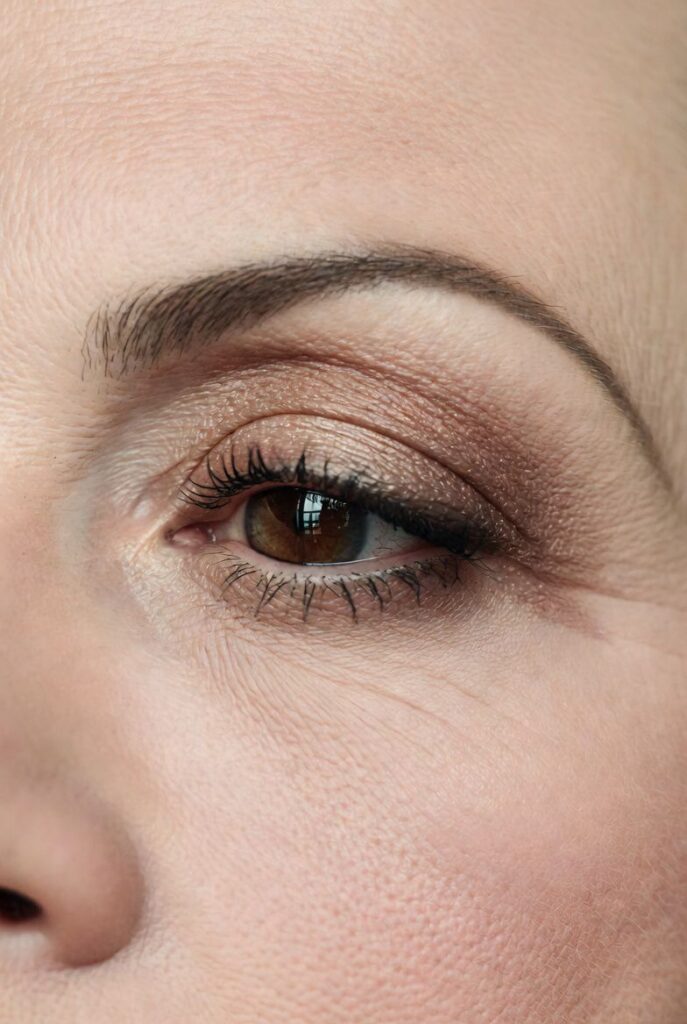
Brows are the frame of the face, and they often become sparse or fade with age. A well-groomed brow can take years off your appearance.
Avoid drawing on harsh, blocky brows. instead, use a fine-tipped pencil or a brow powder to create hair-like strokes in sparse areas. Aim for a shade that is one to two shades lighter than your hair color if you are brunette, or one shade darker if you have silver or blonde hair. This creates a softer, more natural shadow.
Focus on the “tail” of the brow. Ensure it doesn’t drag down too far, which can droop the eye area. A slight arch can also help lift the face visually.
Common Eye Makeup Mistakes to Avoid
Even with the best intentions, small habits can detract from your look. Here are a few things to watch out for:
- Going too dark: Heavy, smoky eyes can shrink mature eyes and make deep-set eyes look sunken. Keep the darkest colors confined to the outer corner and lash line.
- Applying too much concealer: Thick concealer under the eyes will almost always crease. Use a thin layer of a hydrating formula and apply it only where the shadow is darkest.
- Skipping the lower lash line: While you don’t want heavy liner underneath, a soft wash of eyeshadow on the lower lash line balances the eye. Leaving it completely bare can make the top look heavy.
Day vs. Evening Eye Makeup for Older Women
For daytime, keep it fresh and light. Focus on curling your lashes, grooming your brows, and using a wash of champagne or soft taupe shadow. This looks polished but natural in harsh daylight.
For the evening, you can dial up the drama without losing elegance. Deepen your outer corner with a chocolate brown or charcoal grey. Add a touch more shimmer to the center of the lid to catch the low light. You might also switch to a slightly darker eyeliner to add intensity.
Makeup Tips for Sensitive or Dry Eyes
If your eyes are prone to watering or irritation, you need to be selective with your products.
- Go Hypoallergenic: Look for brands specifically tested for sensitive eyes.
- Clean Your Tools: Dirty brushes harbor bacteria. Wash them weekly to prevent irritation.
- Watch the Waterline: If your eyes water frequently, avoid putting liner on the inner rim (waterline), as this can block tear ducts and cause smudging.
- Cream is King: Powder fallout can irritate sensitive eyes. Cream shadows stay put and are less likely to flake into the eye.
Confidence Is the Best Makeup
At the end of the day, the most beautiful thing a woman can wear is confidence. Makeup is a tool for self-expression, not a requirement for worthiness.
Experiment with these tips, but don’t be afraid to break the rules if something else makes you feel fantastic. Whether you love a bold blue liner or prefer a barely-there look, rock it with pride. Your face tells your story—make sure you’re framing it in a way that makes you smile when you look in the mirror.