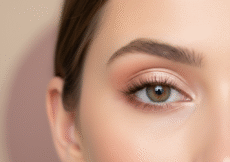
If you have mixed-color eyes, you’ve probably noticed they seem to change with the light, your mood, or even the clothes you wear. One day they might look more green; the next, they might appear amber or blue. This unique quality makes them incredibly captivating, but it can also make choosing the right makeup feel a bit tricky.
This guide is designed to help you master eye makeup for mixed eye colors. We’ll explore how to identify your specific shades, pick eyeshadows that make both colors pop, and use clever techniques to highlight your eyes’ natural beauty. By the end, you’ll know exactly how to create looks that celebrate your one-of-a-kind eyes.
Understanding Your Unique Eye Colors
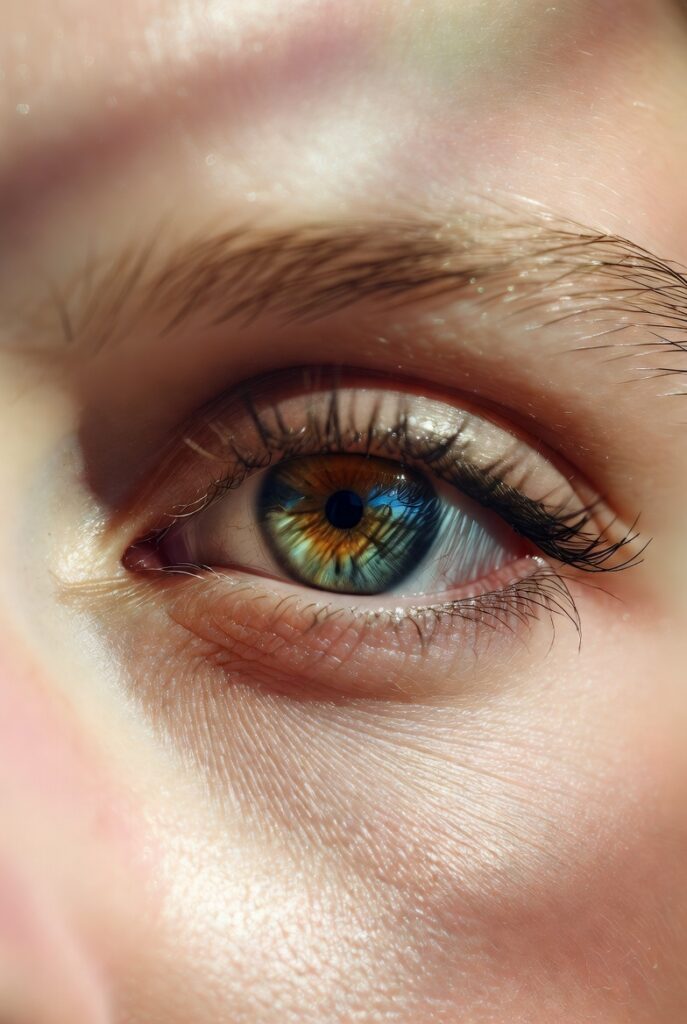
Mixed-color eyes, often described as multi-tonal, contain two or more distinct shades. This can range from central heterochromia (where the inner ring of your iris is a different color from the outer ring) to eyes with flecks of gold, green, or blue scattered throughout. The way light hits your iris can dramatically change which color appears most prominent, giving your eyes a dynamic, almost chameleon-like quality.
To choose the best makeup, you first need to identify your dominant and secondary tones.
How to Find Your Dominant and Secondary Tones

Stand in natural light and look closely at your eyes in a mirror.
- Dominant Color: This is the shade that covers the largest area of your iris. It might be green, blue, hazel, or brown.
- Secondary Color(s): These are the flecks, rings, or blended shades that are less prominent. You might see gold flecks in green eyes or a blue ring around a brown center.
- Undertones: Look for the subtle temperature of your eye colors. Are the greens warm and mossy, or cool and sea-like? Are the browns a warm amber or a cool, deep espresso?
Once you identify these tones, you can select makeup that either harmonizes with or contrasts against them to achieve your desired effect.
Best Eyeshadow Colors for Mixed-Color Eyes
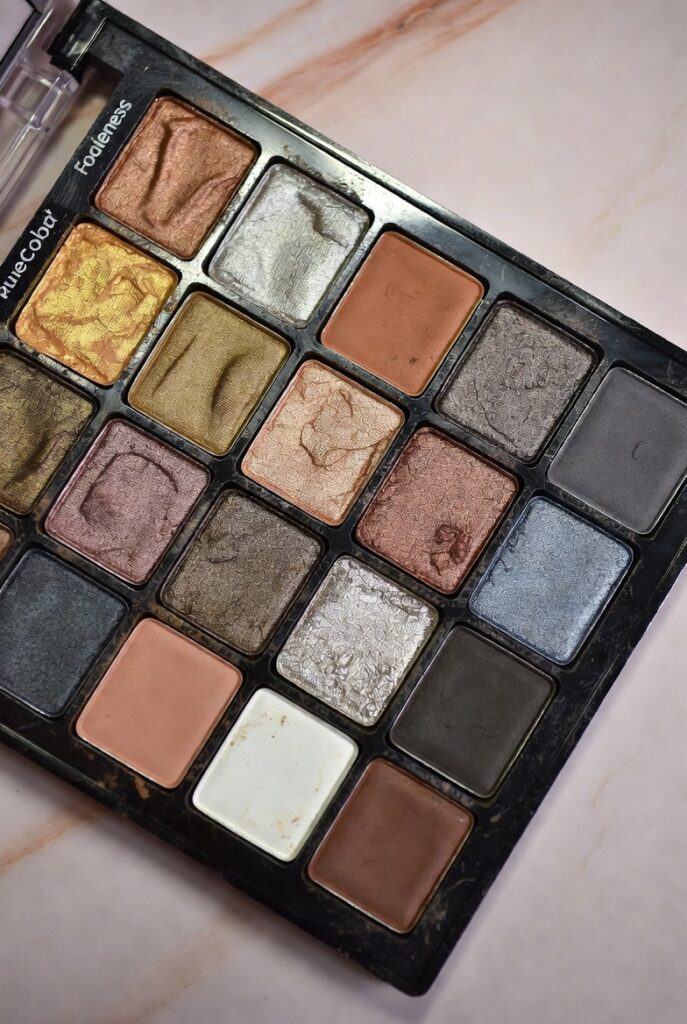
The key to flattering mixed-color eyes is choosing shades that complement both of your primary colors. Here’s a breakdown of color families that work beautifully for common combinations.
For Green-Brown Eyes

This combination often features a brown base with vibrant green flecks.
- To enhance the green: Use warm plums, rich coppers, and shimmering golds. These reddish undertones create a beautiful contrast that makes the green pop.
- To highlight the brown: Opt for deep greens like emerald or forest green to create a harmonious look that deepens the earthy tones.
For Blue-Green Eyes

Often called aquamarine, these eyes shift between blue and green.
- To bring out the blue: Bronze, terracotta, and rose gold create a warm contrast that makes the cooler blue tones stand out.
- To play up the green: Cool taupes, soft purples like lavender, and muted mauves will complement the green without overwhelming the blue.
For Hazel-Amber Eyes
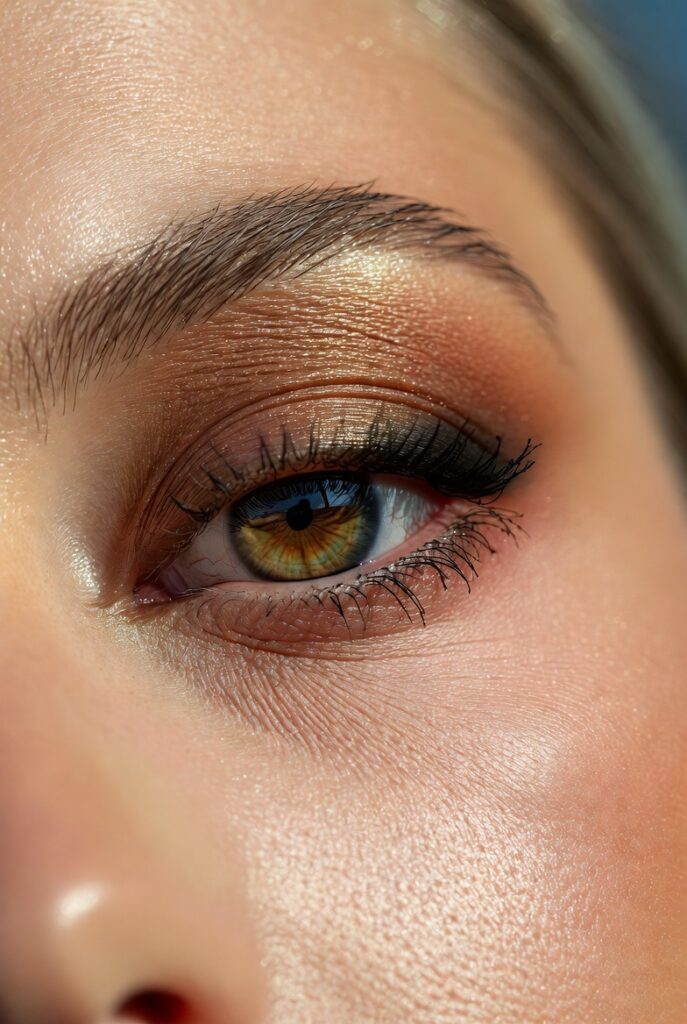
Hazel eyes are a complex mix of green, brown, and gold.
- To emphasize the amber/gold: Warm tones like peach, rich gold, and dusty pinks will make the golden flecks sparkle.
- To enhance the green: Earthy shades like olive, khaki, and chocolate brown create a sophisticated look that highlights the green undertones.
For Blue-Brown Eyes

This striking combination often has a brown center with a blue outer ring.
- To make both colors stand out: Burgundy, cranberry, and slate gray provide a rich backdrop that contrasts with both the blue and brown.
- For a dramatic effect: Metallic bronze can warm up the brown, while a touch of navy eyeliner can intensify the blue.
Makeup Techniques to Highlight Each Shade

Beyond color choice, application techniques can make a huge difference.
- Gradient Eyeshadow: Apply a lighter, shimmering shade on the inner half of your lid and a deeper, matte shade on the outer half. This technique draws light to the inner eye, making your secondary flecks more noticeable.
- Spotlight Eye: Place a bright, metallic shadow in the very center of your eyelid, with darker matte shades on either side. This creates a focal point that enhances the overall vibrancy of your iris.
- Tightlining: Applying eyeliner to your upper waterline can deepen the appearance of the darker tones in your eyes, creating a richer contrast.
- Shimmer vs. Matte: Use shimmer to bring a color forward and matte to make it recede. If you want to highlight gold flecks, a shimmery gold shadow is perfect. If you want to deepen the look of your primary color, a matte shade in a similar tone works well.
Eyeliner and Mascara Tips for Dimension

The right eyeliner and mascara can tie your whole look together.
Eyeliner
Instead of defaulting to black, try a color that complements your eyes.
- Brown Eyeliner: A softer, more natural choice for daytime looks.
- Bronze or Gold Eyeliner: Fantastic for making blue and green tones pop.
- Jewel Tones (Plum, Navy, Emerald): These can be used to subtly enhance one of the colors in your iris. A plum liner, for example, is stunning with green-brown eyes.
- Wing Shape: A classic wing elongates the eye and provides a clean canvas, allowing your iris colors to be the main focus.
Mascara
Don’t underestimate the power of mascara.
- Colored Mascara: A hint of plum, navy, or dark green mascara on the tips of your lashes can subtly pick up on the secondary colors in your eyes.
- Layering: Apply a coat of brown mascara first, followed by a coat of black mascara just at the base. This creates a softer, multi-dimensional effect that avoids a harsh look.
- Curling: Always curl your lashes. Lifting the lashes opens up the eye, allowing more light to hit your iris and brighten the lighter tones.
Common Mistakes to Avoid
When working with mixed-color eyes, a few common pitfalls can accidentally mute their beauty.
- Muting a Tone: Avoid using an eyeshadow color that is too similar to one of your eye colors without any contrast. For example, a flat, matte green on green-hazel eyes can make them look muddy.
- Over-Blending: When using multiple metallic shades, be careful not to blend them so much that they become one muddy color. Keep them distinct to maintain their light-reflecting properties.
- Harsh Eyeliner: A stark black liquid liner can sometimes be too overpowering, especially for eyes with lighter dominant tones like blue or light green. Try a charcoal or brown liner instead for a softer look.
Your Toolkit for Mixed-Color Eyes
While specific products depend on your preferences, here are some general categories to look for:
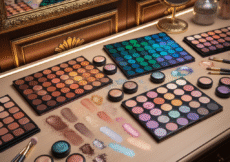
- Eyeshadow Palettes: Look for palettes that offer a mix of warm and cool tones, as well as both matte and shimmer finishes. Palettes with earthy tones, plums, and golds are often very versatile.
- Eyeliners: Keep a few options on hand: a soft brown for everyday, a black for drama, and a colored liner like bronze or plum for fun.
- Mascaras: A good black and a good brown mascara are staples. Consider adding a colored mascara in a deep jewel tone to your collection.
Frequently Asked Questions
Q: Can I wear eyeshadow that matches one of my eye colors?
A: Yes, but add contrast. For example, if you have green eyes and want to wear green shadow, choose a shimmering emerald to make your eyes sparkle or a dark forest green to add depth. Avoid a flat, matte green that is too close to your natural eye color.
Q: How do I make my eyes look more blue than green?
A: To enhance blue tones, use contrasting warm colors like copper, bronze, peach, or orange-based browns. These shades will make the coolness of the blue stand out.
Q: Should my makeup change from day to night?
A: For a daytime look, focus on soft, neutral tones that gently enhance your eye colors. For night, you can introduce deeper shades, more shimmer, and bolder eyeliner to create a more dramatic effect.
Celebrate Your Unique Eyes
Creating the perfect eye makeup for mixed eye colors is all about balance and contrast. By understanding your unique combination of shades and using colors that make them both shine, you can design looks that are as dynamic and captivating as your eyes themselves. Don’t be afraid to experiment with different colors and techniques to see what makes you feel your best.