Putting on makeup when you wear contact lenses can feel like a high-stakes game. One slip of the mascara wand or a dusting of loose powder in the wrong place, and your morning routine turns into a blurry, watery mess.
If you’ve ever had to fish a contact lens out of an eye filled with eyeliner, you know the struggle is real. Contact lens wearers face unique challenges regarding beauty routines. It isn’t just about looking good; it’s about avoiding irritation, dryness, and even potential infections. The gap between your lens and your cornea is a prime spot for trapping tiny particles, which can lead to scratching or bacterial growth.
However, wearing lenses doesn’t mean you have to abandon your favorite eyeshadow palette. By adopting a few specific habits and choosing the right products, you can maintain your eye health without sacrificing your style. This guide breaks down everything you need to know about navigating the intersection of beauty and vision correction.
Common Eye Makeup Problems for Lens Wearers
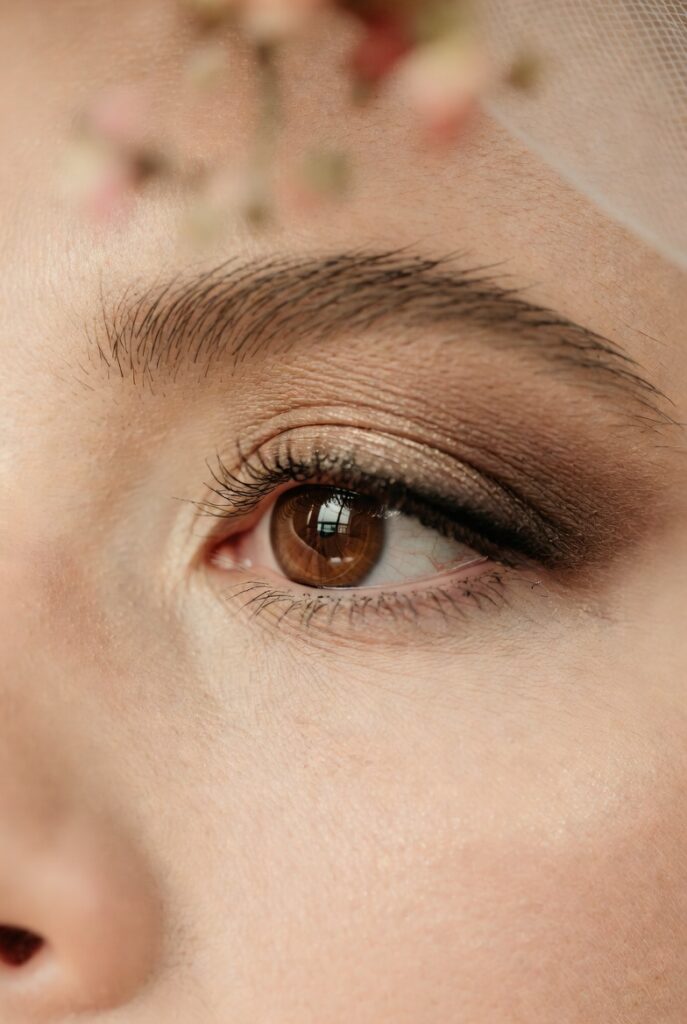
When you place a foreign object—a contact lens—on your eye, the surface becomes more sensitive to its environment. Makeup introduces several variables that can disrupt this delicate balance.
The most frequent issue is particle migration. Tiny specks of powder, glitter, or dried mascara can fall onto the lens. Because the lens floats on a layer of tears, these particles can get trapped underneath, causing abrasion to the cornea. This often results in a gritty sensation, redness, and excessive tearing.
Beyond physical irritation, chemical sensitivity is a factor. Certain ingredients in cosmetics can adhere to the lens surface, creating a film that blurs vision and makes the lens uncomfortable to wear. In severe cases, poor hygiene combined with contaminated makeup tools can lead to infections like conjunctivitis or keratitis. It is crucial to distinguish between a simple allergic reaction to a new product and irritation caused by the lens itself to treat the issue effectively.
Proper Eye Prep Before Makeup
The golden rule of eye makeup for contact lens wearers is simple: Lenses first, makeup second.
Always wash your hands thoroughly with oil-free, fragrance-free soap before touching your eyes. Dry them with a lint-free towel to avoid transferring fibers to your lenses. Inserting your contacts before applying makeup ensures you can see what you are doing, which prevents accidents. More importantly, it prevents makeup residue from your fingers or lashes from getting onto the lens during insertion.
When moisturizing your face, be careful around the eye area. heavy, greasy creams can migrate into the eye and coat the lens. Opt for lightweight, fast-absorbing eye creams. If you use eye drops to combat dryness, use them about 15 to 30 minutes before applying makeup to ensure your eyes aren’t overly wet, which can cause makeup to run immediately.
Choosing Contact Lens–Safe Makeup Products
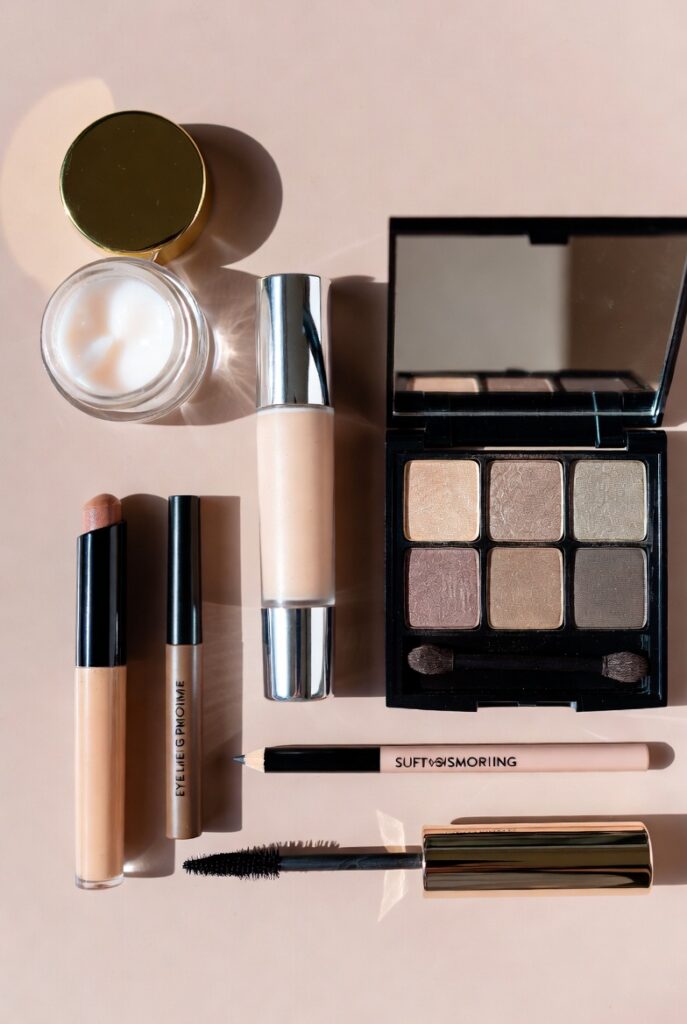
Not all beauty products are created equal, especially when vision correction is involved. When shopping, look for labels that explicitly state “ophthalmologist-tested” or “safe for contact lens wearers.” Hypoallergenic and fragrance-free formulas are generally safer bets, as they contain fewer irritants.
Texture matters significantly. Cream eyeshadows are often superior to powders because they don’t have loose particles that can flake off during the day. If you prefer powder, pressed powder is safer than loose pigment. Avoid glitter at all costs; those tiny, reflective plastic squares are notorious for getting lodged under lenses and causing scratches.
Eyeshadow Tips for Contact Lens Wearers
Your choice of eyeshadow finish can dictate your comfort level. Matte and satin finishes are usually the most stable. Metallic or super-shimmery shadows often have a “fallout” factor—particles that drop onto your cheeks or into your eyes as you apply them.
Stick to neutral, soft colors if your eyes are particularly sensitive. High-pigment dyes (often found in reds and purples) can sometimes cause more reactions than earth tones. When applying shadow, keep a small safety zone. avoid bringing the color all the way to the lash line. Leaving a tiny gap prevents the powder from mixing with your tear film and coating your contacts.
Safe Eyeliner Application
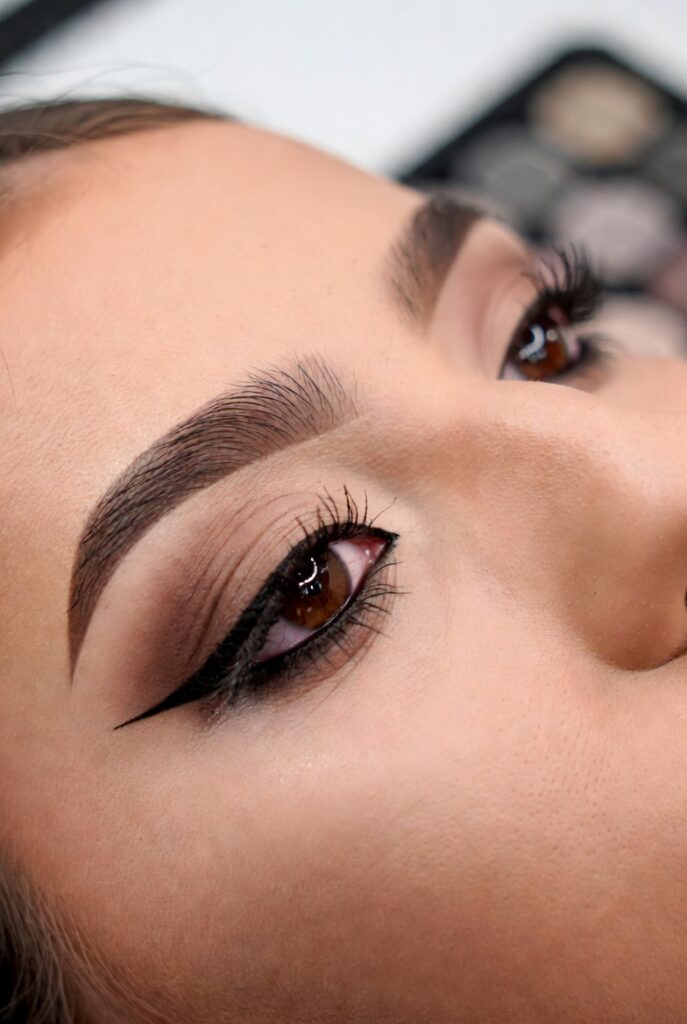
Eyeliner is often the biggest culprit for lens smudging. Pencil liners are generally safer than liquid or gel liners, which can flake as they dry. However, the pencil must be soft enough to glide without tugging, yet firm enough not to crumble.
One popular technique to avoid is “tightlining” or “waterlining”—applying liner to the inner rim of the eyelid. This places makeup directly against the tear film and the lens. It blocks the meibomian glands (oil glands) and almost guarantees that pigment will transfer onto your contacts. Stick to the lash line or slightly above it. Always sharpen your pencil before use to expose a fresh, clean layer of product and remove any bacteria.
Mascara Tips That Protect Contact Lenses
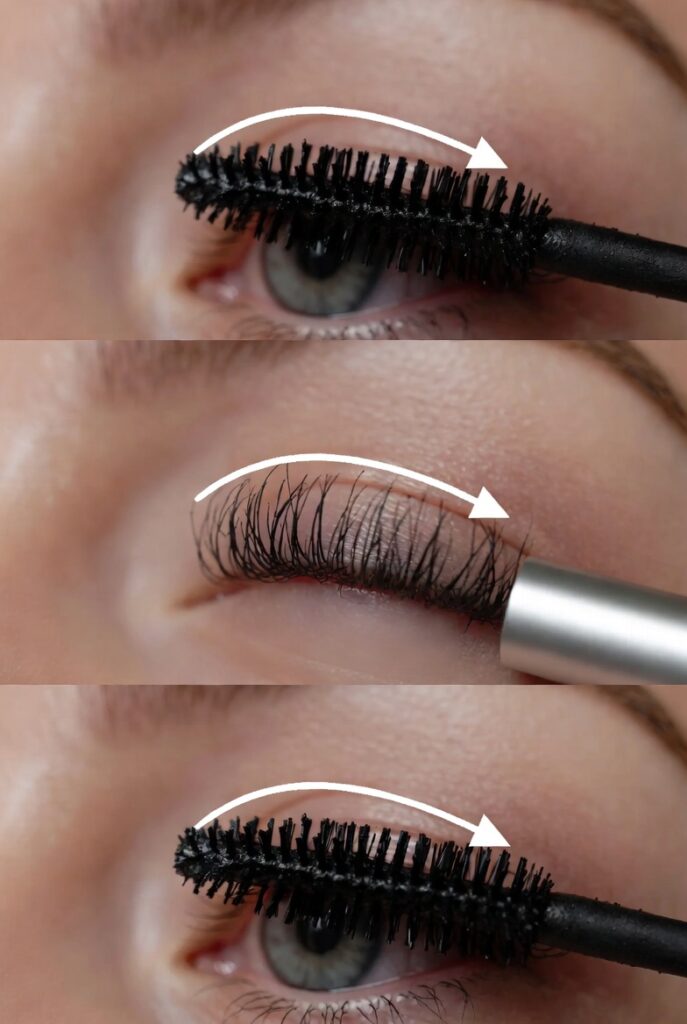
Clumpy, flaky lashes are annoying for everyone, but for contact lens wearers, they are a hazard. Choose mascaras labeled as flake-free and smudge-proof. Water-resistant formulas are good, but waterproof versions can be difficult to remove without aggressive rubbing, which isn’t ideal for lens wearers.
Be cautious with “fiber” mascaras designed to add length. These nylon fibers can easily detach and fall into the eye. Similarly, “tubing” mascaras are great for removal but can sometimes flake off in chunks.
Limit your application to one or two coats to keep the product stable. Additionally, adhere strictly to the three-month rule: throw away your mascara every 90 days. The dark, moist tube is a breeding ground for bacteria, and using old mascara is one of the fastest ways to get an eye infection.
Brushes, Tools & Hygiene Essentials
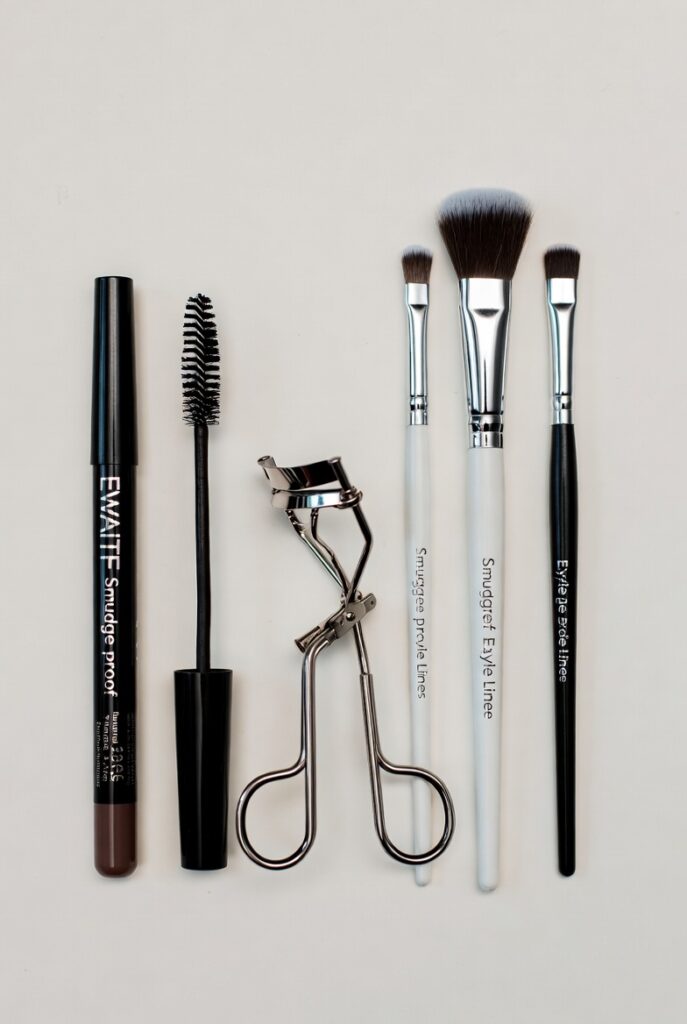
Your tools are just as important as your products. Dirty brushes harbor oil, dust, and bacteria. Wash your eye makeup brushes weekly with a gentle cleanser or baby shampoo.
Synthetic brushes are often easier to clean and trap less product than natural hair brushes. Never, under any circumstances, share eye makeup or tools with friends. Everyone has different bacteria on their skin, and sharing mascara or eyeliner is a direct route to cross-contamination.
Stylish Eye Makeup Looks That Work Well with Contacts
You don’t have to go bare-faced to be safe. Here are three lens-friendly looks:
- The “Clean Girl” Aesthetic: Focus on groomed brows and a coat of defining mascara on the top lashes only. Use a cream highlighter on the brow bone for lift without the risk of powder fallout.
- Soft Smudge Liner: Use a soft, taupe or brown pencil on the upper lash line and smudge it gently with a clean brush. This gives definition without the harsh lines or flaking risks of liquid liner.
- Cream Shadow Wash: Swipe a single wash of cream eyeshadow in bronze or champagne across the lid. It sets quickly, stays put, and looks polished with zero effort.
Eye Makeup Mistakes to Avoid
To keep your eyes happy, avoid these common pitfalls:
- Applying makeup before lenses: As mentioned, this traps residue under the lens.
- Using saliva: Never use spit to clean up a smudge or wet an applicator. The bacteria in your mouth belong nowhere near your eyes.
- Sleeping in makeup: This is bad for your skin but worse for your eyes. Mascara can dry and crumble into the eye overnight, causing irritation that makes inserting lenses the next morning painful.
- Touching eyes: Once your makeup is on, keep your hands away from your face to prevent pushing product into the eyes.
How to Remove Eye Makeup Safely
At the end of the day, reverse the order: Lenses out first, makeup off second.
Removing the lens before scrubbing at your eyes prevents you from damaging the contact or getting makeup remover on it. Once the lenses are safely stored (or discarded, if they are dailies), use a gentle, oil-free makeup remover.
Micellar water is a fantastic option as it dissolves makeup without stinging. Avoid heavy oils that can leave a film on the eye, causing temporary blurry vision. After removal, splash your face with water to ensure all residue is gone.
Signs Your Eyes Need a Break
Sometimes, your eyes just need a rest. If you experience persistent redness, itching, or excessive dryness, skip the makeup for a few days. If your vision becomes blurry immediately after applying makeup, you may have contaminated the lens.
If you feel the lens moving around excessively or sticking to the eyelid, it could be a sign of dehydration caused by products. In these cases, remove the lenses, switch to glasses, and let your eyes breathe.
When to Consult an Eye Care Professional
If irritation persists even after you’ve switched to hypoallergenic products and improved your hygiene, it’s time to see a doctor. Recurrent infections or a sudden inability to tolerate your lenses are red flags.
Regular eye exams are essential. An optometrist can check the health of your cornea and eyelids to ensure your beauty routine isn’t causing long-term damage. They might also recommend specific lens brands that are more resistant to deposit buildup.
Beauty Without Compromising Eye Health
Wearing contact lenses doesn’t mean you have to resign yourself to a life without eyeliner. It simply requires a bit more mindfulness. By prioritizing hygiene, choosing the right formulas, and listening to your eyes when they signal discomfort, you can enjoy the best of both worlds.
Clear vision is the ultimate beauty essential. Treat your eyes with care, and they’ll sparkle—with or without the eyeshadow.