For many, applying makeup is a creative ritual or a confidence booster. But for those with sensitive eyes, it can feel like a battle against your own body. You spend time blending the perfect eyeshadow look, only for your eyes to start stinging, watering, and turning red moments later. Not only does this ruin your hard work, but it can also be genuinely painful.
If you struggle with itching, burning, or watery eyes after applying cosmetics, you aren’t alone. However, having sensitive eyes doesn’t mean you have to give up on beauty altogether. By understanding what triggers your sensitivity and making a few strategic swaps in your products and techniques, you can enjoy wearing makeup without the discomfort.
Understanding Sensitive Eyes
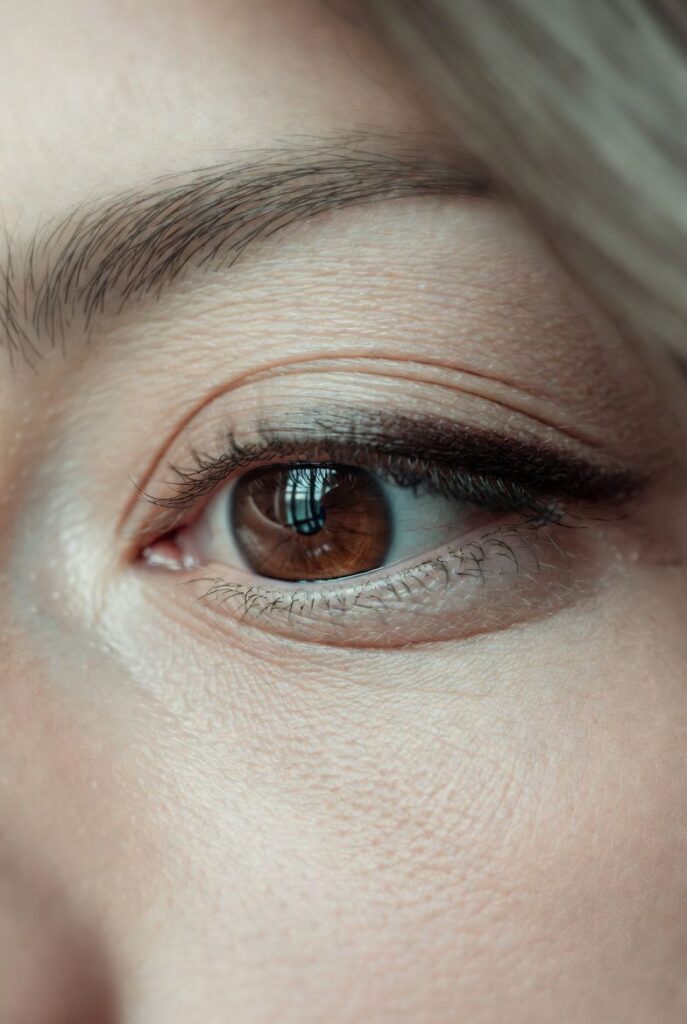
Sensitive eyes react differently to stimuli than non-sensitive eyes. While the average person might not notice a slight fragrance in their concealer, someone with sensitivity might experience immediate burning or itching. This reaction is often the eye’s defense mechanism kicking in against perceived irritants.
Common triggers include specific ingredients in products, the physical friction of application, or even the weight of heavy lashes. Understanding that this is a physical response—not just you being “picky”—is the first step toward a more comfortable routine. A gentle approach matters because repeated irritation can lead to long-term issues like dry eye syndrome or chronic inflammation.
Common Causes of Eye Sensitivity
Identifying the culprit behind your irritation is crucial. Often, it comes down to three main categories: ingredients, hygiene, and application.
Fragrance and Chemicals
The most common offender is fragrance. While it makes products smell nice, synthetic scents are highly irritating to delicate eye tissue. Similarly, certain preservatives used to extend shelf life, such as parabens or formaldehyde releasers, can trigger reactions.
Expiration Dates
Using old makeup is a recipe for disaster. Preservatives break down over time, allowing bacteria to grow. Mascara and liquid eyeliner have short lifespans—usually three to six months—and using them past this point introduces bacteria directly to the eye.
Allergies vs. Sensitivity
It is important to distinguish between an allergy and general sensitivity. An allergy often results in swelling, hives, or intense itching and may require an antihistamine. Sensitivity usually presents as stinging, burning, or tearing up. If you suspect an allergy, consult a doctor to identify the specific allergen.
How to Prep Sensitive Eyes Before Makeup
Great makeup starts with a calm canvas. Prepping your eyes correctly creates a barrier between your skin and the makeup.
Start with clean, hydrated eyelids. Dryness exacerbates irritation, so use a simple, fragrance-free eye cream. Let it sink in fully before applying any color. If you use an eyeshadow primer, patch-test it on your wrist first to ensure it doesn’t cause a reaction.
When applying skincare, avoid rubbing or tugging at the delicate skin around the eyes. Use your ring finger to tap products in gently. This minimizes physical stress on the area, keeping inflammation at bay.
Choosing the Right Eye Makeup Products
Marketing labels can be confusing. Here is what to look for when shopping:
- Ophthalmologist-Tested: This label indicates the product has been tested specifically safe for eye use, which is more reliable than the generic “hypoallergenic” label.
- Fragrance-Free: Always check the ingredient list to ensure no perfumes are added.
- Cream Formulas: Powder eyeshadows can flake off and fall into the eye, causing mechanical irritation. Cream shadows stay put and are generally safer.
- Short Ingredient Lists: Fewer ingredients mean fewer potential irritants. Simple formulas are usually your best bet.
Best Eyeshadow Tips for Sensitive Eyes
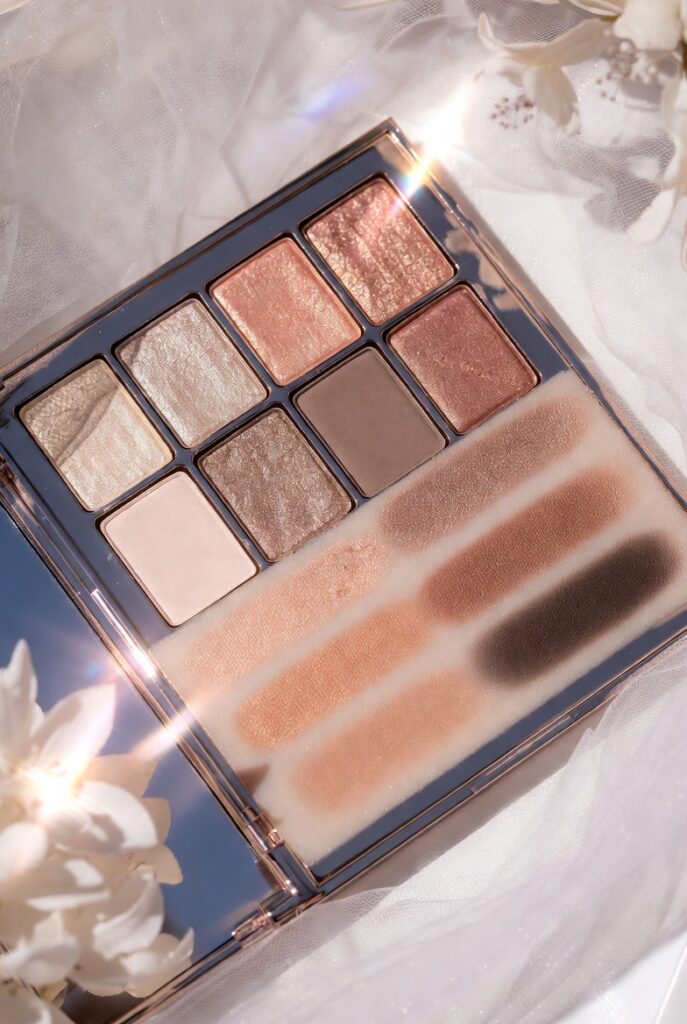
If you love eyeshadow, you don’t have to skip it. However, you should be selective about shades and textures.
Stick to neutral tones like taupe, bronze, or soft pink. Red and purple dyes are more likely to cause allergic reactions or staining than earth tones. Furthermore, matte or satin finishes are preferable to heavy glitter. Chunky glitter is abrasive; if a flake gets under your eyelid, it can scratch the cornea.
When applying powder, use light layers. Tap your brush off before bringing it to your face to remove excess loose powder. This prevents “fallout”—those tiny specks of powder that land on your cheeks or drift into your eyes.
Gentle Eyeliner Techniques
Eyeliner defines the eyes, but it sits dangerously close to the tear film. To stay safe, choose soft pencil liners over liquid or gel pots. Pencils tend to be wax-based, meaning they are less likely to flake or run into the eye.
Avoid the Waterline
Tightlining—applying liner to the inner rim of the eyelid—is a major trigger for sensitive eyes. This area houses the Meibomian glands, which secrete oils to keep your eyes moist. Blocking these glands with makeup causes dryness and irritation. Apply liner strictly to the lash line, not inside it.
Color choice matters here, too. Carbon black dyes can be harsh. Opting for a dark brown, charcoal, or plum liner can provide similar definition with less risk of irritation.
Mascara Tips for Sensitive Eyes
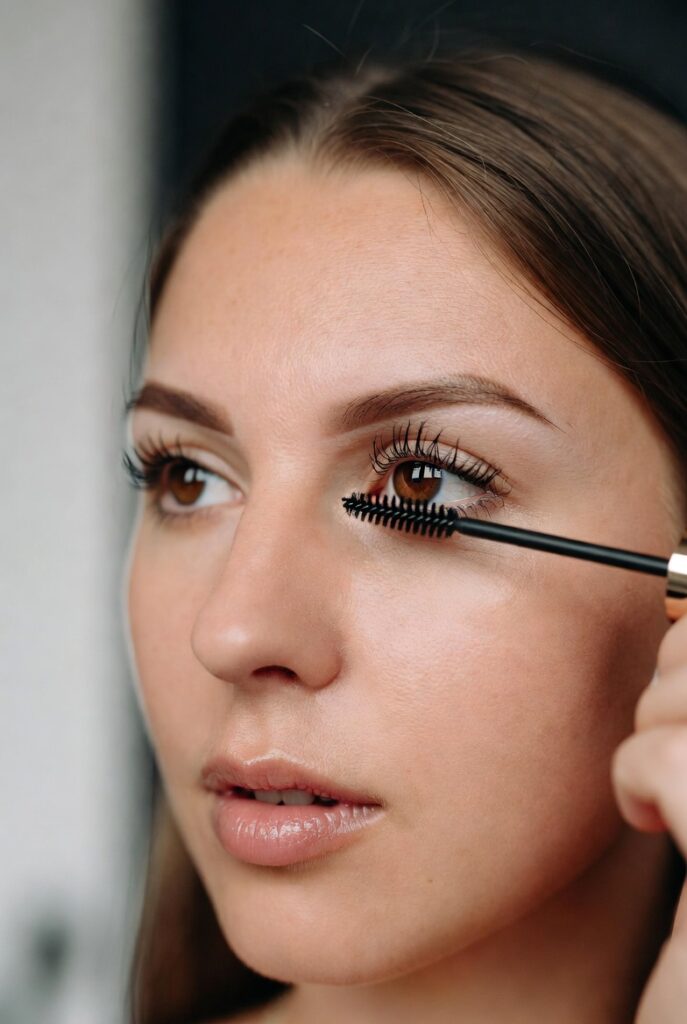
Mascara is often the final step, but it can be the most irritating.
Tubing Mascara
Consider switching to a tubing mascara. Unlike traditional formulas that paint the lashes with pigment, tubing mascaras form tiny water-resistant tubes around each lash. They don’t flake, and they remove easily with just warm water and gentle pressure, eliminating the need for harsh scrubbing.
Skip Waterproof
Waterproof formulas require aggressive rubbing to remove, which is hard on sensitive eyes. They also contain stronger chemicals to keep the product adhered to the lashes.
Apply mascara from the middle of the lash to the tip, avoiding the root. This keeps the chemicals away from the eyelid margin and prevents the product from flaking into the eye throughout the day.
Eye Makeup Tools That Are Safe & Soft
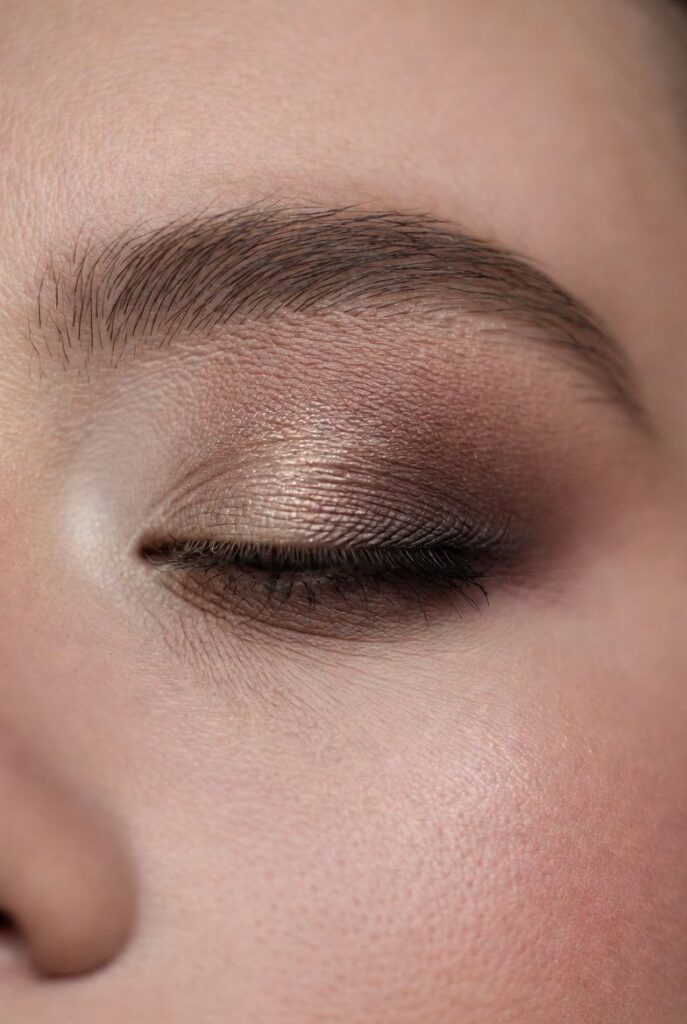
The tools you use are just as important as the makeup itself. Rough bristles can micro-exfoliate the sensitive skin on your eyelids, leaving them raw.
Invest in brushes with soft, synthetic bristles. Synthetic fibers are hypoallergenic and easier to clean than natural hair brushes, which can trap allergens. Alternatively, makeup sponges can be gentler than brushes for applying base colors or blending out creams.
Hygiene is non-negotiable. Wash your eye makeup brushes at least once a week to prevent bacteria buildup.
Gentle Eye Makeup Application Techniques
How you apply your makeup changes how your eyes react. Always use a light hand. If you have to press hard to get pigment to show up, the product is too dry or low quality.
Keep your daily look minimal. Piling on layers of primer, concealer, powder, and setting spray creates a heavy load for your skin to bear. On days when your eyes feel particularly sensitive, listen to your body and go makeup-free or stick to just mascara.
How to Remove Eye Makeup Without Irritation
Removal is where the most damage often happens. Scrubbing at your eyes with a rough washcloth is guaranteed to cause redness.
Instead, use an oil-based cleanser or a gentle micellar water. Soak a cotton pad in the remover and hold it against your closed eye for 10 to 15 seconds. This allows the product to break down the makeup so it can be wiped away without rubbing.
Double-cleansing is highly effective here. Start with your oil remover, then follow up with a gentle, hydrating face wash to ensure no residue remains. Finish with a soothing eye cream to replenish moisture while you sleep.
Makeup Habits to Avoid if You Have Sensitive Eyes
Some common habits are dangerous for eye health.
- Sharing Makeup: Never share eye products. Everyone has different bacteria on their skin, and swapping mascara is the fastest way to get an eye infection.
- Car Application: Applying mascara in a moving vehicle is a risk for corneal abrasions. One bump in the road could send the wand into your eye.
- Sleeping in Makeup: This traps bacteria against the eye and can clog hair follicles, leading to styes or blepharitis.
Eye Makeup Looks That Work Best for Sensitive Eyes
You don’t need a heavy smokey eye to look polished. Trends are currently favoring “clean beauty,” which is perfect for sensitive eyes.
- The “Mascara Only” Look: Curl your lashes and apply a safe mascara. Groom your brows to frame your face.
- Soft Neutrals: A wash of cream bronzer across the lid adds dimension without the risk of powder fallout.
- Focus on Lips: If your eyes are having a bad day, wear a bold lip color. It draws attention away from the eyes and makes you look “done” without touching your eyelids.
When to See an Eye Specialist
Sometimes, makeup isn’t the only issue. If you experience persistent redness, swelling, or discharge, stop using all eye products immediately. If the symptoms don’t improve after a day or two of going makeup-free, see an eye doctor. You may have an infection, a blocked tear duct, or a chronic condition like dry eye disease that requires medical treatment.
Beauty Without Discomfort
Having sensitive eyes requires a bit more mindfulness, but it doesn’t mean you have to sacrifice your personal style. By prioritizing hygiene, choosing gentle ingredients, and refining your application techniques, you can create beautiful looks that feel as good as they look. Remember, the goal is to enhance your eyes, not irritate them. Listen to your body, take breaks when needed, and embrace a routine that puts your eye health first.